


Returning to substance use can become more likely when difficult emotions, familiar environments, or changes in daily routines go unaddressed. Recognizing these circumstances early can make it easier to respond before problems escalate.
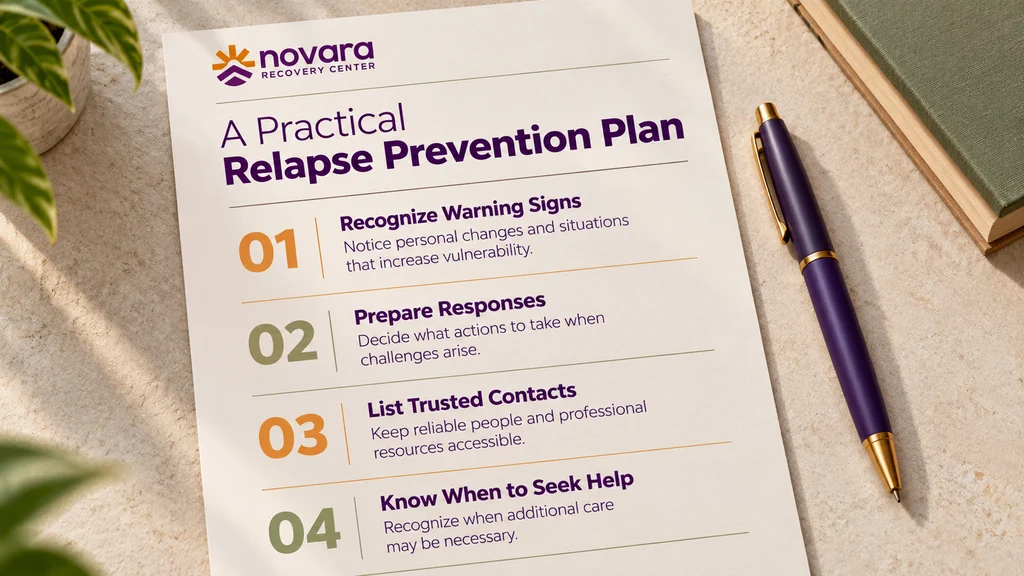
A relapse prevention plan puts personal warning signs, practical actions, and trusted contacts in writing. Rather than relying on decisions made during stressful moments, it provides a reference for handling situations that may threaten stability. The document can be developed independently or with a treatment professional and adapted as circumstances change.
Creating one begins with understanding which situations present the greatest challenges and identifying realistic ways to respond.
Understand What the Document Should Accomplish
The purpose of this written resource is to organize information that may be harder to recall under pressure. Each entry should provide enough detail to guide a decision rather than offer general encouragement.
Identify the Core Components
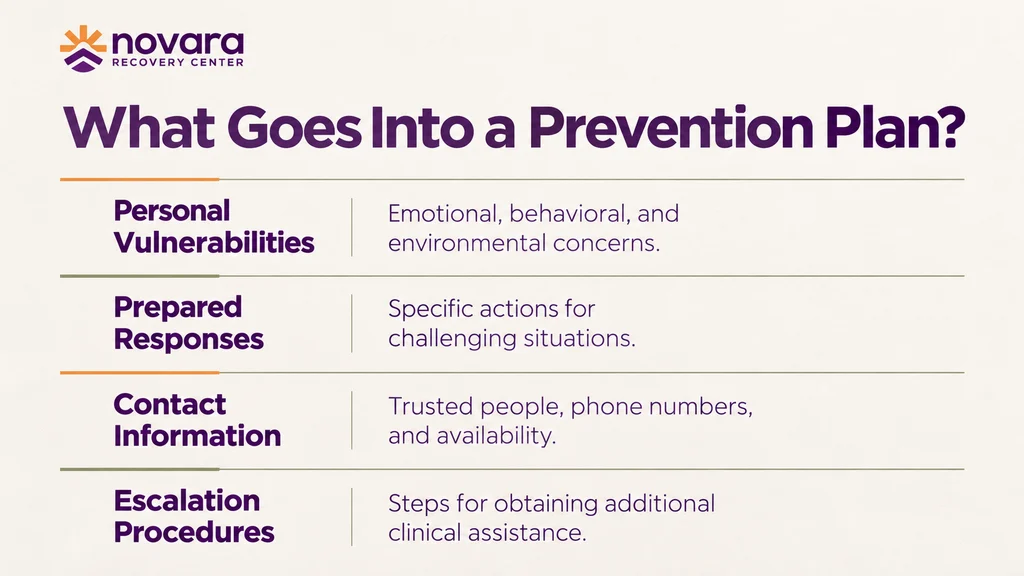
Four elements provide a useful starting point:
- Personal vulnerabilities: Relevant emotional, behavioral, and environmental concerns.
- Prepared responses: Specific actions for managing challenging situations.
- Contact information: Names, telephone numbers, and availability of trusted individuals or healthcare providers.
- Escalation procedures: Instructions for obtaining clinical assistance when symptoms intensify, or immediate safety becomes a concern.
The document should remain accessible and reflect current circumstances. Although it can help organize decisions, it cannot eliminate the possibility of renewed substance use or replace clinical care.
Develop Responses for Difficult Situations
Once potential concerns have been recognized, the next task is to decide what to do when they arise. Each situation should have a realistic course of action that can be followed without extensive preparation.
Connect Each Concern to a Specific Action
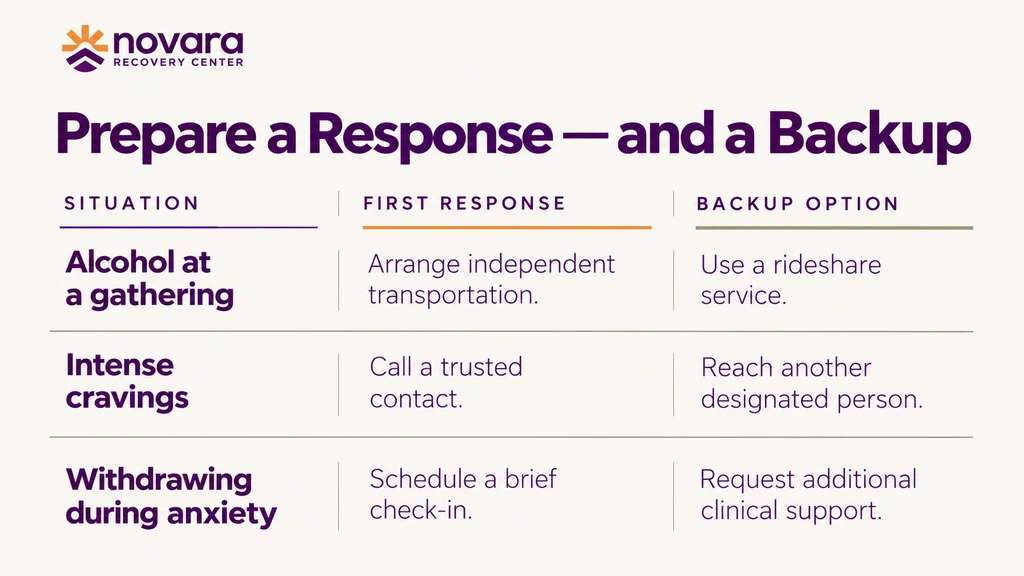
At a gathering where alcohol is being served, arranging independent transportation beforehand makes leaving possible without relying on other guests.
During intense cravings, stepping away from the immediate environment and speaking with a trusted individual may provide time to reassess the situation.
For those who become isolated during periods of anxiety, a scheduled check-in can offer structure without requiring a major change in daily activities.
Prepare Alternatives When the First Approach Fails
Unexpected obstacles can make an intended course of action impractical. A ride may be canceled, a phone call may go unanswered, or a familiar activity may no longer provide relief.
An alternative could involve using a rideshare service, contacting another trusted individual, or choosing a different location until the immediate pressure subsides.
When recurring concerns are difficult to address independently, an outpatient treatment program can offer opportunities to reassess these situations with qualified professionals and develop more suitable approaches.
Involve Trusted People and Professional Resources
Having reliable people to contact can make challenging situations easier to address. Their involvement should reflect trust, availability, and the assistance they can realistically offer.
Clarify Who Can Help and How
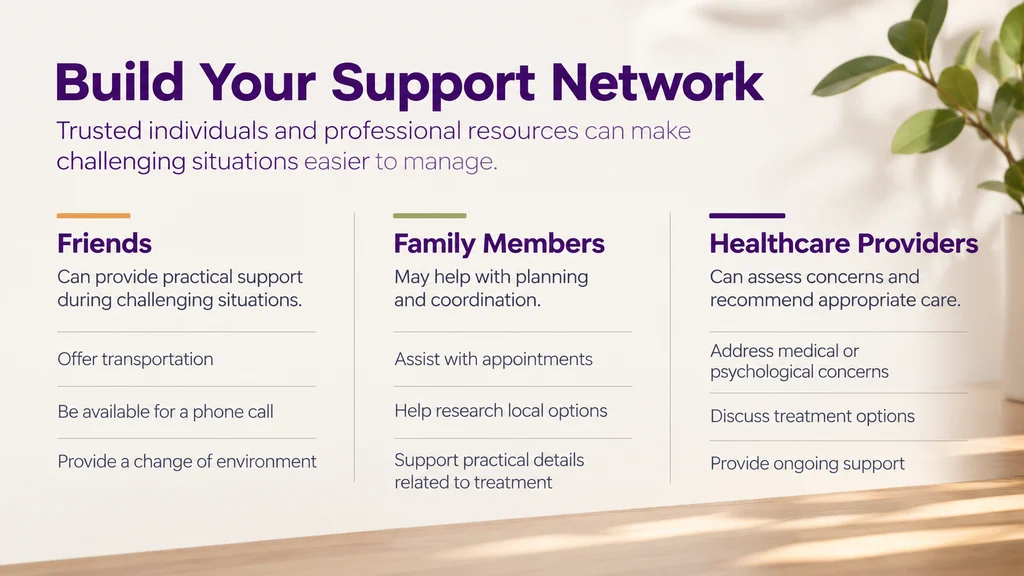
A friend might provide transportation away from an uncomfortable setting, while a relative could help coordinate appointments. Clinicians can assess concerns requiring medical or psychological attention.
Recording telephone numbers, preferred communication methods, and each person’s role makes these arrangements easier to follow. Privacy and personal boundaries should also be considered when deciding who receives sensitive information.
Consider Family Involvement in Treatment Decisions
Relatives sometimes help research local treatment options, arrange consultations, or coordinate practical details surrounding admission. Their participation should respect the preferences of the person receiving care.
Clear responsibilities can make this involvement more useful without placing treatment decisions entirely in someone else’s hands.
Establish Steps for Setbacks or Emergencies
Returning to alcohol or drug use calls for an assessment of immediate safety and any circumstances surrounding the incident. The appropriate response depends on the substance involved, the person’s condition, and whether urgent medical attention is required.
Decide What to Do Following Substance Use
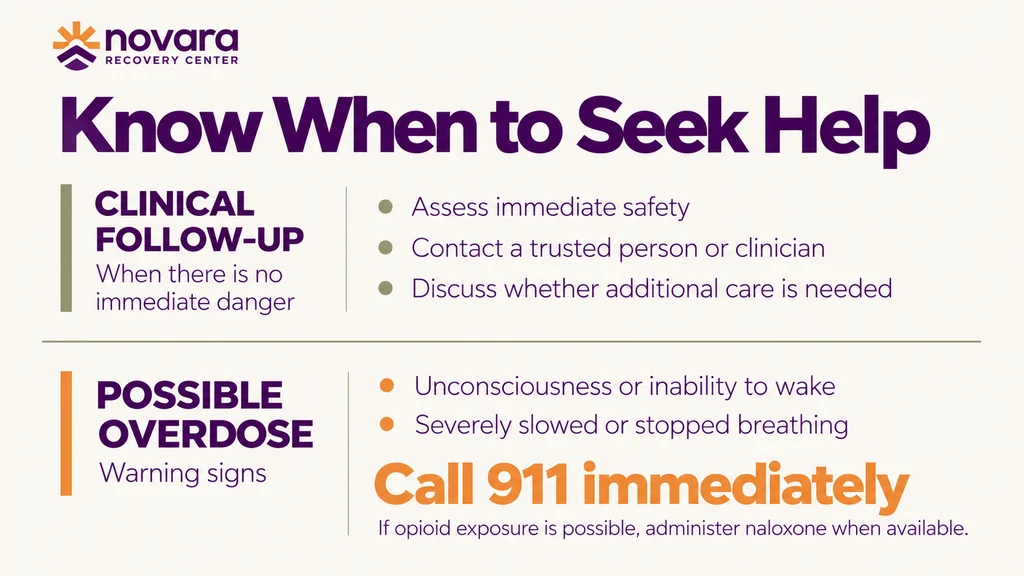
When there is no immediate danger, contacting a trusted individual or healthcare provider can help determine what should happen next. A clinician may recommend reviewing current treatment arrangements, addressing new concerns, or considering additional services.
The focus should remain on safety and appropriate care rather than blame.
Know When Immediate Medical Attention Is Necessary
Unconsciousness, severely slowed or stopped breathing, and an inability to wake someone are potential signs of overdose. Call 911 immediately if an overdose is suspected.
When opioid exposure is possible, naloxone can reverse an overdose and should be administered if available. The CDC’s naloxone guidance explains its role in reversing opioid overdoses and emphasizes the importance of emergency medical assistance.
Seeking urgent care should never be delayed while attempting to contact a counselor.
Keep the Document Relevant Over Time
A written guide should reflect current living conditions, responsibilities, and access to assistance. Information that was useful several months earlier may no longer fit a person’s situation.
Reassess the Approach as Circumstances Change
A new job, different housing arrangement, relationship difficulties, or a medical diagnosis can introduce challenges that were not previously considered. Changes in treatment schedules may also affect which resources are accessible.
Updating contact details, identifying new concerns, and removing outdated instructions helps keep the information useful.
Consider Whether Additional Care Is Appropriate
Intensifying cravings, recurring substance use, or worsening mental health symptoms may indicate that existing arrangements are insufficient.
Understanding the different levels of addiction care can provide context for discussing available services with a qualified clinician.
Decisions about treatment intensity should follow a professional assessment rather than relying solely on a written checklist.
Recognize Personal Risk Factors
Patterns associated with earlier drinking or drug use can help reveal vulnerabilities that deserve attention. These may involve shifts in mood and behavior or pressures arising from the surrounding environment.
Examine Emotional and Behavioral Changes
Stronger cravings, increased irritability, or thoughts that minimize the consequences of past use may signal growing vulnerability.
Other indicators include missing counseling appointments, withdrawing from familiar activities, or becoming less consistent with everyday responsibilities. When psychiatric symptoms are also present, understanding how mental health and addiction treatment work together can provide additional context.
None of these experiences automatically predicts a return to substance use. Their significance depends on the broader context.
Consider Environmental and Social Influences
Unresolved conflicts, returning to places associated with drinking or drug use, and contact with people who encourage consumption can create additional challenges.
Disruptions involving employment, housing, or household schedules may also affect stability.
Rather than treating every unpleasant emotion or stressful event as a warning, consider whether particular patterns have previously been associated with increased urges or changes in behavior.
Putting Your Prevention Strategies Into Practice
A clear, accessible document makes it easier to respond to concerns as they arise. Keeping its contents current ensures they reflect real circumstances. When existing measures become insufficient, structured treatment can provide additional guidance and clinical assistance.