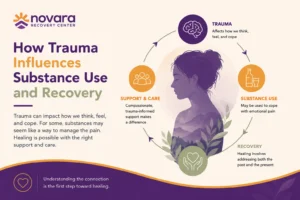


Mental health and addiction treatment are frequently discussed together because both affect everyday life. Relationships, work, responsibilities, physical health, and emotional wellbeing are connected. When one area is struggling, the effects rarely stay contained to that one part of life.
Substance use does not exist in a vacuum. Stress, anxiety, depression, trauma, grief, and other mental health challenges are part of the conversation for many people seeking addiction treatment. Looking at substance use alone leaves out important pieces of the story.
That is why mental health and addiction treatment are closely connected. Recovery is about more than stopping a substance. It is also about understanding the thoughts, emotions, experiences, and patterns that shape daily life. Taking a broader view creates a clearer understanding of what recovery looks like and what supports long-term wellbeing.

Mental Health and Substance Use Influence Each Other
Looking Beyond One Piece of the Picture
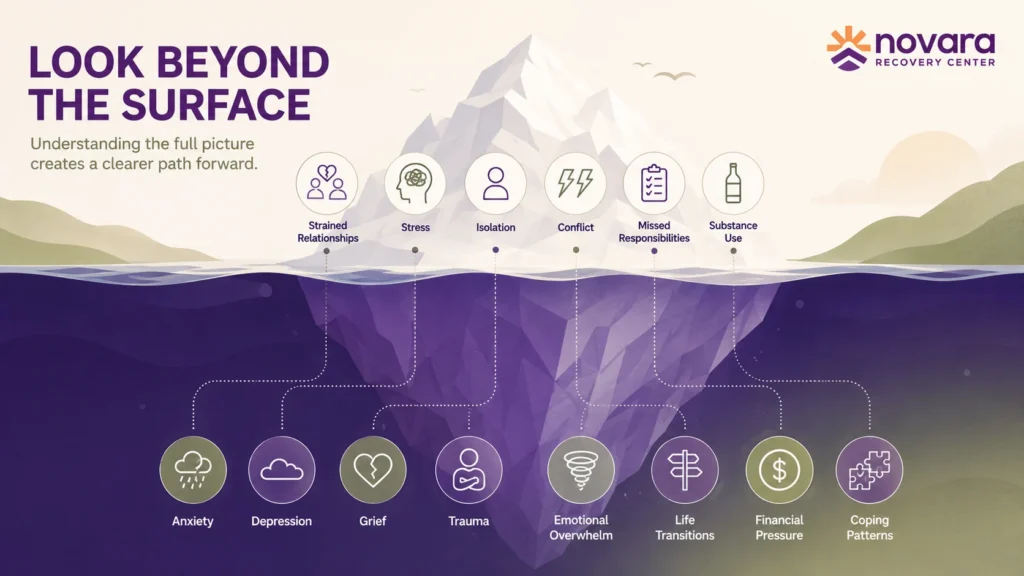
Mental health and substance use are frequently discussed together because each can affect the other in meaningful ways. Looking at only one side of the equation can make it difficult to understand what is really happening beneath the surface.
Stress is one example. A stressful period at work, conflict at home, financial pressure, or a major life change can shape how someone copes with difficult emotions. Alcohol or other substances may begin to feel like a way to unwind, escape, or create temporary relief. Over time, that pattern can create new challenges instead of resolving the original source of stress.
Anxiety, depression, and isolation can also affect daily decisions and routines. Activities that once felt manageable may begin to feel overwhelming. Relationships may become strained. Motivation may decrease. Emotional challenges can influence how situations are handled, how decisions are made, and how support is sought.
This doesn’t mean mental health concerns and substance use always develop together. It does mean that looking at the full picture provides a better understanding of the challenges a person may be facing. Broader mental health statistics in the United States show the widespread impact that mental health challenges have on individuals, families, and communities. That perspective plays an important role in understanding why mental health and addiction treatment are frequently discussed together.
Why Treatment Approaches Differ
No Two Recovery Experiences Look Exactly Alike
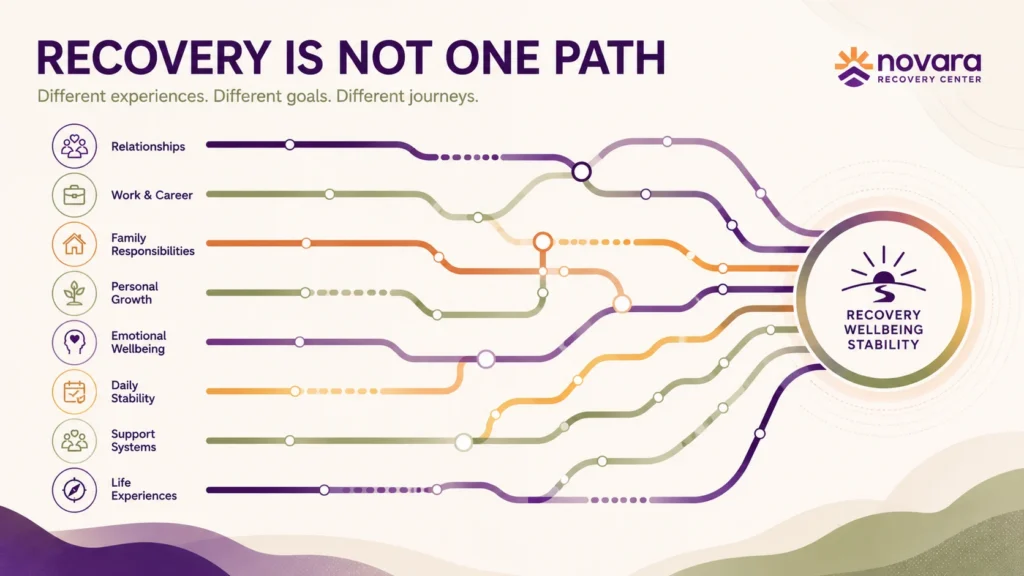
No two people arrive at addiction treatment with the same experiences, challenges, or goals. Recovery is personal, which is why treatment approaches are not identical from one person to the next.
One person may be focused on rebuilding relationships affected by substance use, while another may be working toward greater stability at home, at work, or in daily routines. Personal history plays an important role in the recovery process. Previous experiences, significant life events, family dynamics, and support systems all shape the path forward.
Life circumstances also influence recovery. Work responsibilities, family commitments, living situations, and daily routines create different needs and priorities. Recovery is not defined by a single challenge. It reflects a combination of experiences, goals, relationships, and responsibilities.
This is one reason addiction treatment services take an individualized approach rather than relying on a one-size-fits-all solution. Understanding the full picture creates a stronger foundation for recovery and long-term wellbeing.
Building Skills Beyond Substance Use
Recovery Often Involves More Than Stopping a Substance
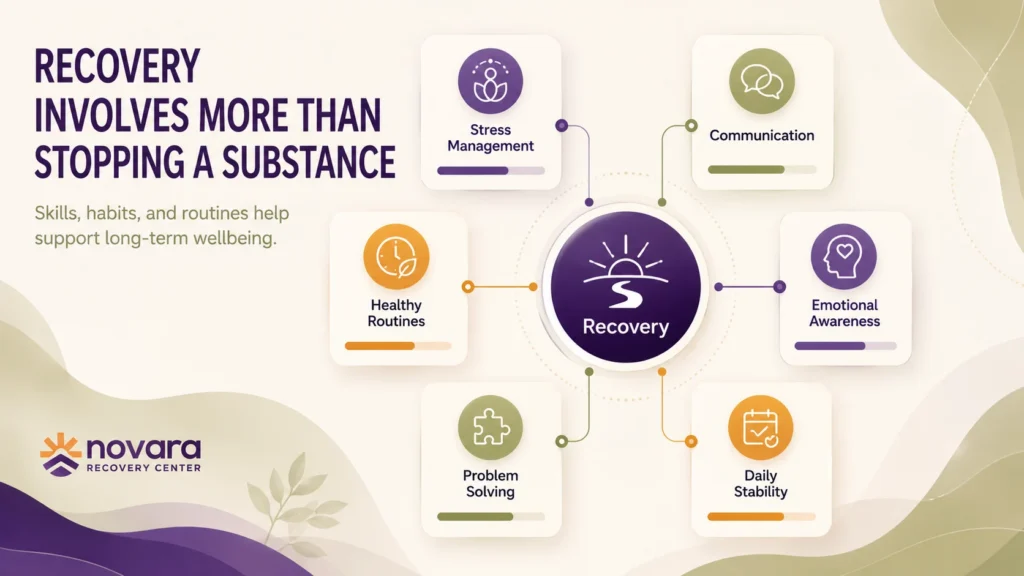
Recovery involves more than removing a substance from daily life. Many addiction treatment programs focus on building the skills, habits, and routines that support long-term wellbeing.
Stress management is one example. Daily stress does not disappear simply because substance use stops. Learning healthier ways to respond to pressure, setbacks, conflict, and uncertainty creates a stronger foundation for recovery. Communication also plays an important role. Honest conversations, setting boundaries, and expressing emotions clearly can strengthen relationships and reduce unnecessary tension.
Healthy routines provide structure and consistency. Sleep habits, physical activity, nutrition, and daily responsibilities all contribute to stability. Emotional awareness is equally important. Recognizing emotions as they arise creates opportunities to respond thoughtfully rather than react impulsively.
Problem-solving skills support recovery as well. Challenges still occur, but approaching them with greater confidence and perspective changes how those situations are handled. Recovery support extends beyond substance use alone. Building healthy routines, improving communication, developing problem-solving skills, and strengthening emotional awareness all contribute to long-term wellbeing and personal growth.
The Family Perspective
Understanding Changes in Behavior and Communication
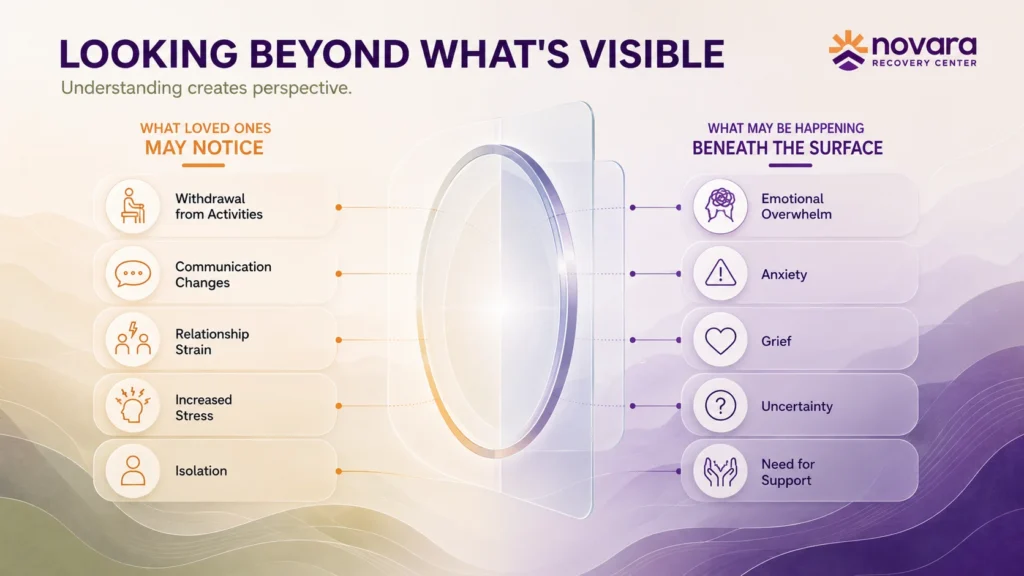
Changes related to emotional health and substance use are not always easy to understand from the outside. Family members, friends, and loved ones often notice shifts in behavior before they fully understand what is driving them.
A person who once enjoyed social activities may begin withdrawing from friends, family gatherings, or hobbies. Communication may become more difficult. Conversations that once felt open and comfortable may feel tense, distant, or unpredictable. Increased stress can also affect relationships, creating frustration and confusion for everyone involved.
These changes do not tell the whole story, but they can provide important context. Looking beyond a single behavior creates a better understanding of what someone may be experiencing emotionally. Focusing only on the visible signs often overlooks the challenges taking place beneath the surface.
Understanding the connection between emotional wellbeing and substance use helps families approach these situations with greater awareness and perspective. For those exploring next steps, learning how to start addiction treatment can provide helpful information about the process and available support.
Recovery Involves Many Areas of Life
Looking at the Bigger Picture
Recovery extends beyond substance use and touches many areas of daily life. Relationships, routines, physical health, emotional wellbeing, and long-term goals are all part of the larger picture.
Relationships often reflect some of the most noticeable changes. Stronger communication, healthier boundaries, and renewed trust can create a more stable foundation at home, at work, and within social circles. Daily routines also take on greater importance. Consistent habits, structured schedules, and healthy responsibilities help support long-term progress.
Physical health remains an important part of recovery as well. Sleep, nutrition, movement, and overall well-being contribute to how people feel and function each day. Emotional wellbeing deserves equal attention. Greater self-awareness and healthier responses to stress can strengthen confidence and resilience over time.
Recovery also creates space to focus on the future. Career goals, family relationships, personal growth, and other long-term priorities often become clearer as stability increases. Looking at the bigger picture helps highlight how recovery affects far more than substance use alone.
For those looking for support, understanding the admissions process can provide a helpful next step.
Mental Health and Addiction Treatment: Looking at the Whole Person
Substance use and emotional wellbeing are closely connected, which is why both are important parts of the recovery conversation. Looking at only one piece of the picture leaves important factors unaddressed. Stress, emotions, relationships, daily routines, and life experiences all play a role in overall well-being.
Recovery experiences also look different from person to person. Individual goals, personal circumstances, support systems, and life responsibilities shape the path forward. As a result, addiction treatment focuses on more than substance use alone. It recognizes the importance of addressing the broader challenges and strengths that influence long-term wellbeing.
Mental health and addiction treatment take a whole-person approach. Understanding both areas creates a stronger foundation for recovery, personal growth, and lasting change. Additional information about support during treatment and recovery can help provide a broader understanding of the recovery process and the resources available along the way.