


Seeking help for substance use often comes with urgency. When someone is ready to make a change, delays can make it harder to follow through. Access to support recovery in Fairfax, VA, especially with same-day intake options, helps remove common barriers and allows individuals to begin care without unnecessary waiting. Timely access to services can support motivation and reduce the risk of continued substance use.
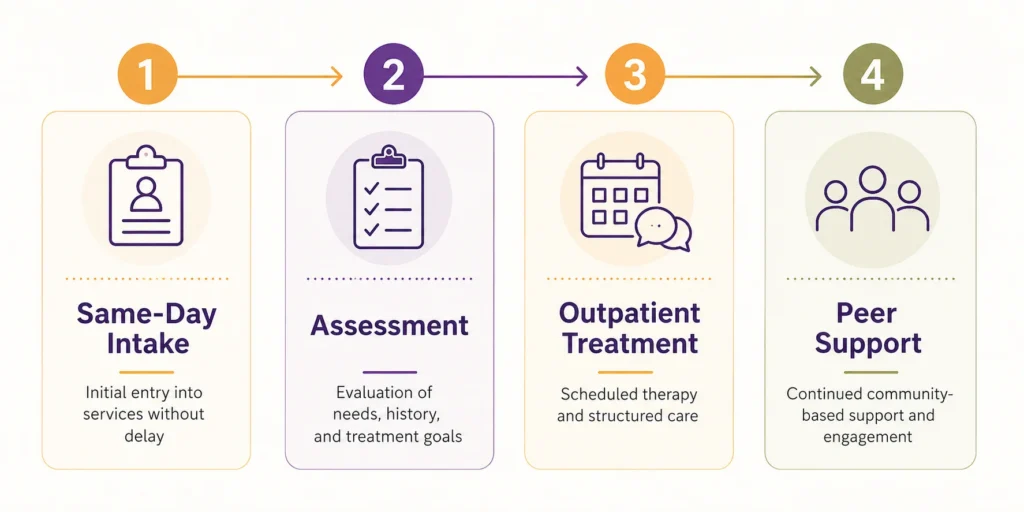
Recovery is not a single event but a structured process that unfolds over time. It often begins with an intake assessment, followed by outpatient treatment, therapy, and ongoing peer support. Each stage plays a role in building stability and long-term recovery. Understanding this progression can help individuals and families make informed decisions when exploring local recovery options.
What Is Support Recovery in Fairfax, VA?
Support recovery in Fairfax, VA refers to a continuum of care that extends beyond detox or short-term treatment. While early stabilization is an important step, long-term recovery is built through ongoing support that addresses both substance use and the underlying factors that contribute to it. This approach often includes outpatient programs, individual and group therapy, peer support, and structured aftercare planning.
Rather than focusing on a single phase of treatment, support recovery emphasizes consistency and connection over time. Individuals may begin with a clinical assessment and transition to outpatient care, while continuing to engage in peer-based support and relapse-prevention strategies. Each layer of care is designed to reinforce progress and adapt to changing needs.
Access to local recovery resources and support networks also plays a key role in maintaining stability. Community-based options, such as Fairfax County Community Services Board behavioral health programs, can provide additional services and connections that strengthen long-term recovery outcomes.
The Importance of Same-Day Intake for Addiction Recovery
Delays in accessing treatment can reduce the likelihood that someone follows through with care. When individuals reach a point of readiness, even short waiting periods can lead to second thoughts or continued substance use. Same-day intake helps close that gap by allowing people to move from decision to action without unnecessary obstacles.
Immediate access to an intake assessment also supports emotional momentum. Instead of navigating multiple steps over several days, individuals can begin the evaluation process, discuss their needs, and explore appropriate care options in a more streamlined experience. This can reduce uncertainty and make the process feel more manageable.
From a practical standpoint, same-day intake simplifies admissions by addressing key steps early, including assessments, scheduling, and initial care planning. Removing these delays can improve engagement and help individuals build a foundation for ongoing recovery more quickly.
What to Expect During the Intake Process
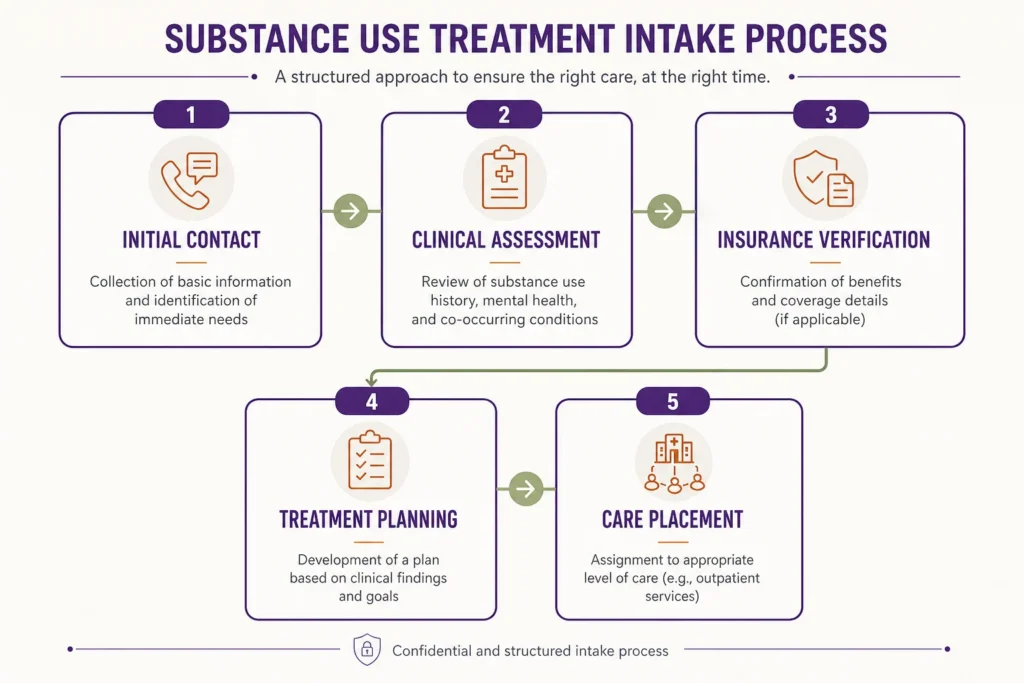
The intake process is designed to help individuals connect to the appropriate level of care as efficiently as possible. It typically begins with an initial contact, where basic information is gathered, and immediate needs are identified. This step helps determine urgency and next steps.
A clinical or medical assessment follows, allowing providers to better understand substance use history, mental health needs, and any co-occurring conditions. This evaluation forms the foundation for care recommendations. If applicable, insurance verification is also completed during this stage to clarify coverage and reduce unexpected barriers.
Based on this information, a personalized treatment plan is developed to match the individual’s needs, goals, and level of care. This may include placement into appropriate services such as outpatient addiction treatment programs in Fairfax, VA, depending on clinical recommendations.
Throughout the process, confidentiality is maintained, and individuals are guided in a supportive, nonjudgmental environment. The goal is to make the transition into care feel clear, structured, and manageable from the very beginning.
Transitioning from Intake to Active Treatment
After the intake process is complete, the transition into active treatment is often designed to happen quickly. In many cases, individuals can begin services within a short timeframe, helping maintain the momentum built during initial contact and assessment. This continuity can make it easier to stay engaged and committed to the recovery process.
Active treatment typically includes a combination of evidence-based approaches tailored to individual needs. These may involve individual therapy to address personal challenges, group therapy to build connections and shared understanding, and, when appropriate, family therapy to support relationship dynamics. In some cases, medication support may also be incorporated into a comprehensive care plan.
Structured care plays an important role during this phase. Consistent scheduling, clear goals, and ongoing clinical support help create stability as individuals begin to develop healthier coping strategies. This level of organization and continuity can support progress and reinforce long-term recovery efforts.
The Role of Peer Support in Long-Term Recovery
Peer support is a key component of long-term recovery, centered on connection with others who have lived experience with substance use and recovery. Unlike clinical services, peer support focuses on shared understanding, mutual encouragement, and practical insight from individuals who have faced similar challenges. This type of support can complement formal treatment and continue well beyond structured care.
One of the primary benefits of peer support is accountability. Regular interaction with others in recovery can help individuals stay committed to their goals and offer encouragement during difficult moments. It also helps reduce isolation by creating a sense of community and belonging. Shared experiences can make it easier to build trust, stay engaged, and navigate setbacks more effectively over time.
Peer support can take many forms, including group-based settings such as group therapy for addiction recovery, as well as recovery coaching and alumni programs. These ongoing connections provide structure and consistency, both of which play an important role in maintaining progress and supporting long-term recovery.

Building a Sustainable Recovery Plan in Fairfax, VA
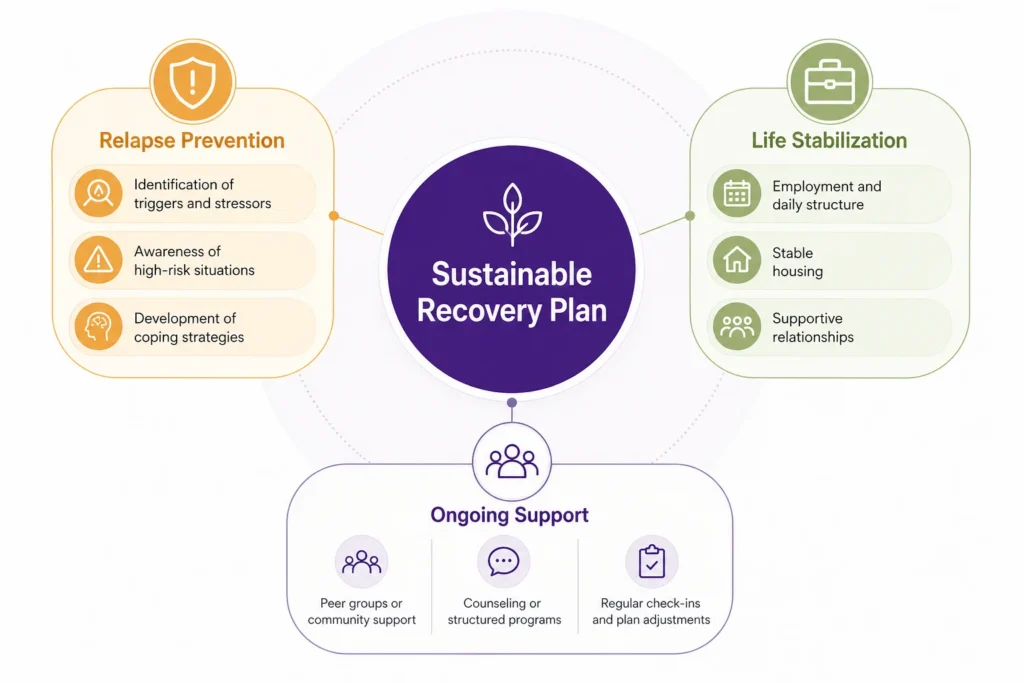
Building a sustainable recovery plan involves more than completing a treatment program. It requires ongoing attention to relapse prevention and the ability to recognize personal triggers, stressors, and high-risk situations. Developing practical coping strategies and having a clear plan in place can help individuals respond more effectively when challenges arise.
Long-term recovery is also closely tied to life stabilization. This may include securing employment, maintaining safe and stable housing, and rebuilding relationships that support continued progress. These areas create a foundation that helps reduce uncertainty and supports healthier daily routines.
Ongoing support systems play a critical role in maintaining stability over time. Regular check-ins, whether through peer groups, counseling, or structured programs, can help individuals stay accountable and adjust their recovery plan as needed. Consistent engagement with support networks helps reinforce progress and provides guidance as circumstances change, making long-term recovery more sustainable.
Why Choose a Local Recovery Center?
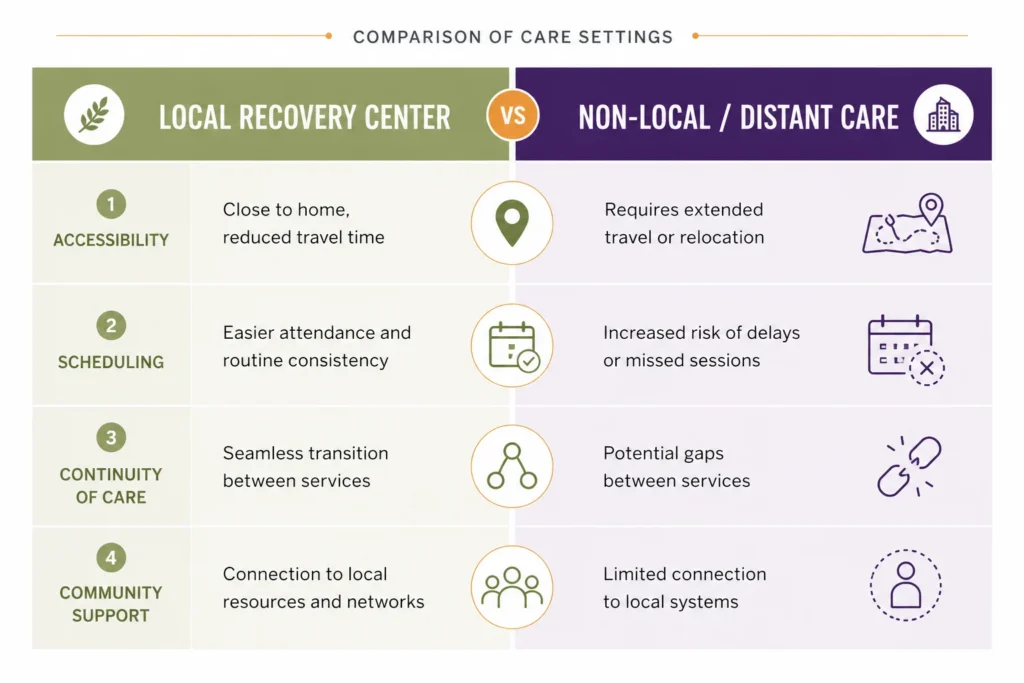
Choosing a local recovery center can make starting and maintaining care more manageable. Being close to home allows individuals to stay connected with supportive family members and maintain important responsibilities such as work or school. It can also make scheduling treatment sessions easier, reducing the risk of missed appointments and helping build consistent routines.
Local care also strengthens continuity throughout the recovery process. Individuals can move more seamlessly from intake into outpatient services and ongoing support without needing to travel far or adjust to unfamiliar environments. This consistency can improve long-term engagement and stability. In many cases, staying local also makes it easier to transition into aftercare and community-based support. Resources like addiction treatment in Fairfax Virginia, highlight how accessible, ongoing care can support long-term recovery.
Conclusion: Taking the First Step Toward Recovery Today
Taking the first step toward recovery can feel overwhelming, but timely access to care can make a meaningful difference. Options such as same-day intake help reduce delays and make it easier to begin the process when readiness is highest. Acting on that moment can support stronger engagement and a smoother transition into care.
Recovery is an ongoing journey that extends beyond initial treatment. With the right combination of clinical care, peer support, and community-based resources, individuals can continue building stability over time. Access to community-based recovery support resources can also help individuals stay connected and supported as they move forward in long-term recovery.