


Selecting an inpatient rehab program in Virginia is an important decision for individuals and families seeking care for substance use disorders. Residential facilities can differ in their clinical approach, available services, staff qualifications, and planning for continued care after discharge. Understanding these differences can make it easier to evaluate each option with confidence. This guide explores the key factors to consider, including evidence-based therapies, mental health services, individualized care planning, and the factors that can influence long-term outcomes.
Know When Inpatient Care Is the Right Choice
Signs a Higher Level of Care May Be Needed
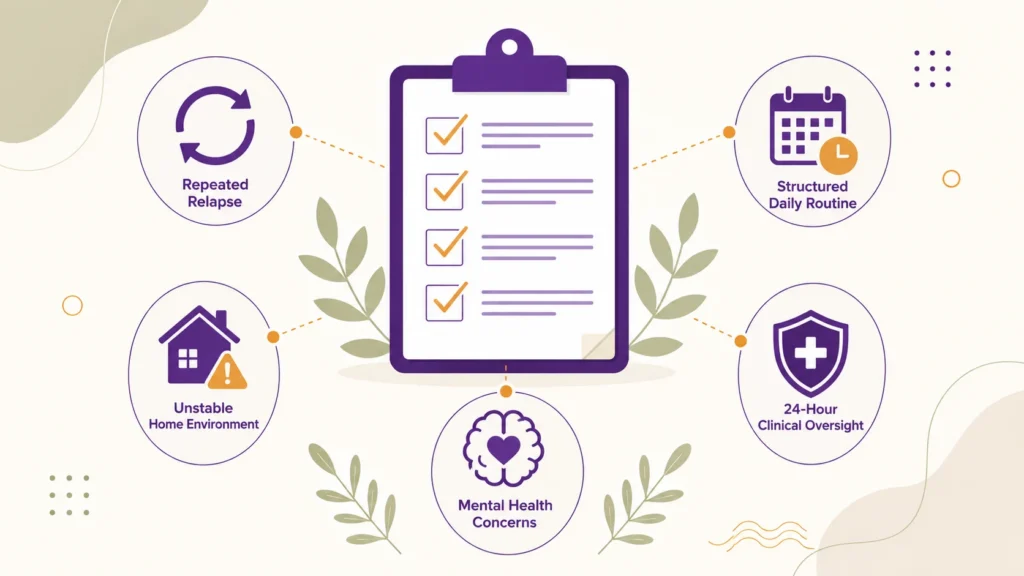
Deciding on the appropriate level of care often begins with understanding the challenges a person is facing. While every situation is unique, certain circumstances may indicate that residential care offers the structure and clinical oversight needed to address a substance use disorder. Individuals who have experienced repeated relapse, struggle to stop using despite previous attempts, or face a severe dependence on drugs or alcohol may benefit from a more intensive setting.
An unstable living environment can also make it difficult to focus on healing. Returning each day to places or situations associated with substance use may increase the risk of setbacks, particularly during the early stages of care. In addition, people living with anxiety, depression, PTSD, or other co-occurring mental health conditions often require coordinated services that address both concerns together.
For those who need consistent clinical guidance, a structured daily routine, and 24-hour supervision, inpatient drug rehab centers in Virginia can provide a safe environment to begin building healthier habits and coping strategies. If you’re unsure whether this level of care aligns with your needs, our guide on who should consider inpatient rehab offers additional insight into the situations where residential services may be appropriate.
Look Beyond Amenities and Focus on Clinical Quality
Questions to Ask Before Choosing a Facility
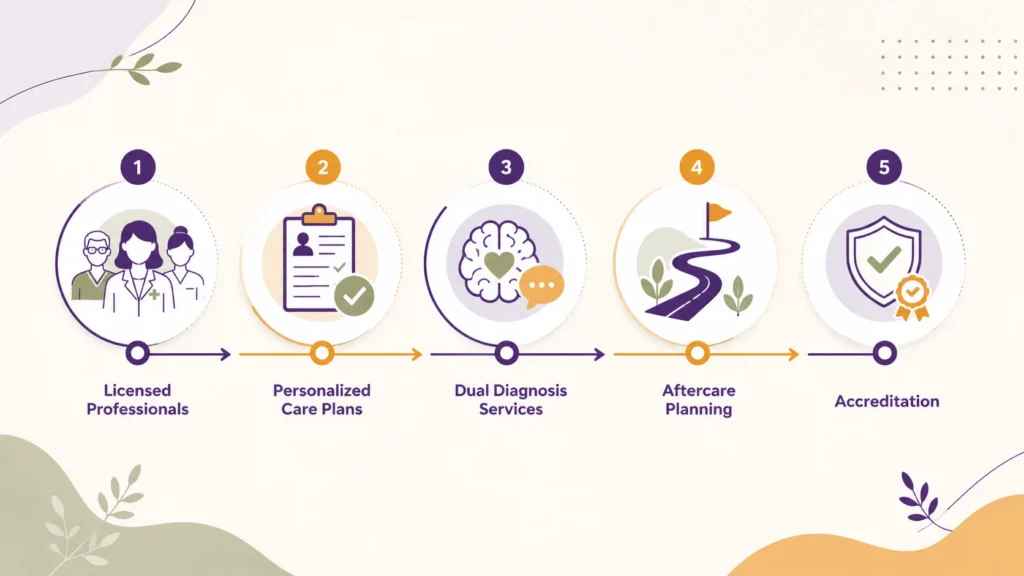
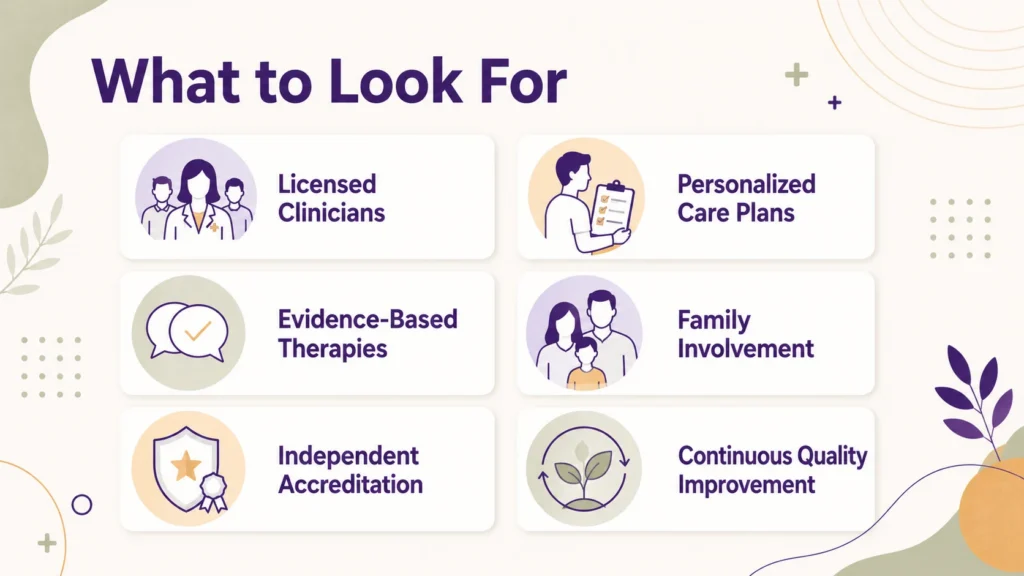
Every residential center has its own clinical philosophy, staff qualifications, and approach to care. Before making a decision, ask how the provider develops individualized care plans and whether licensed physicians, nurses, therapists, and behavioral health professionals are involved throughout a person’s stay. A comprehensive assessment at admission should guide clinical decisions based on each individual’s medical history, substance use, and personal goals.
It is also worth asking which therapeutic approaches are available. Evidence-based methods such as cognitive behavioral therapy (CBT), motivational interviewing (MI), and medication-assisted care, when clinically appropriate, are commonly used to address substance use disorders. Family involvement is another important consideration because it can strengthen communication, encourage healthy boundaries, and help loved ones prepare for the transition home.
Finally, ask whether the center has earned accreditation through an independent organization. Accreditation reflects a commitment to patient safety, continuous quality improvement, and established clinical standards. Reviewing independent accreditation standards can help individuals and families better understand how healthcare organizations are evaluated when comparing their options.
Mental Health Care Should Be Part of the Conversation
Why Dual Diagnosis Services Matter
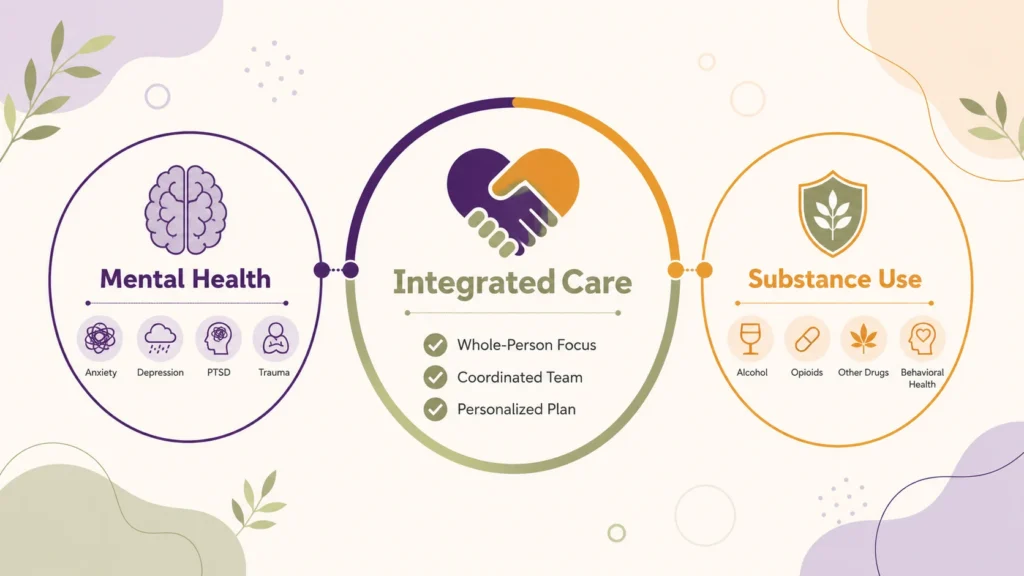
Mental health plays an important role in addiction care. For some individuals, conditions such as anxiety, depression, post-traumatic stress disorder (PTSD), or unresolved trauma may contribute to substance use or make it more difficult to maintain lasting change. Others may develop mental health symptoms alongside a substance use disorder. A comprehensive assessment can help identify these concerns and guide appropriate clinical recommendations.
When both conditions are present, addressing only one may leave important needs unmet. An integrated model of care allows medical and behavioral health professionals to work together, creating a coordinated plan that considers the whole person rather than focusing on a single diagnosis. This type of care can improve communication among providers and help ensure that mental health concerns and substance use are addressed at the same time.
If a co-occurring condition is identified, dual diagnosis treatment can provide coordinated care designed to address both substance use and mental health needs within the same clinical setting.
Ask About Life After Residential Care
What Happens After You Leave?
The transition from residential care to everyday life is an important part of the healing process. Before choosing a facility, ask how discharge planning is handled and whether each person leaves with a clear plan for the next stage. A thoughtful transition may include referrals for outpatient services, recommendations for continuing therapy, and practical strategies that help individuals navigate new challenges after returning home.
Many centers also provide aftercare planning to help maintain progress after discharge. This may include individual counseling, group therapy, peer support meetings, and regular check-ins with healthcare professionals. Families can also play an important role by reinforcing healthy routines, encouraging accountability, and recognizing potential warning signs before they develop into larger concerns.
It’s also worth asking how a facility looks at relapse prevention and ongoing follow-up. Learning practical coping skills, identifying personal triggers, and building a reliable support network can help individuals feel better prepared as they return to work, school, and everyday responsibilities. The National Institute on Drug Abuse notes that long-term management of substance use disorders often includes continued clinical engagement and ongoing services beyond an initial residential stay.

Compare Facilities Before Making a Decision
What Sets One Center Apart From Another
No two providers take the same strategy, so asking thoughtful questions can help narrow your options. In addition to reviewing staff credentials and available clinical services, ask whether care plans are regularly updated to reflect a person’s progress, changing needs, and long-term goals. An individualized methodology should evolve over time rather than follow a fixed path for every patient.
Communication is another important factor to consider. Families often play an active role throughout the process, so it’s helpful to understand how loved ones receive updates, participate in family sessions, and prepare for the transition home. Open communication can strengthen trust and help everyone understand what to expect at each stage.
Finally, ask about accreditation and how the organization coordinates the continuum of services beyond a residential stay. Learning more about the admissions process can also provide a clearer picture of what to expect before care begins, including the initial assessment, insurance verification, and the steps involved in getting started.