

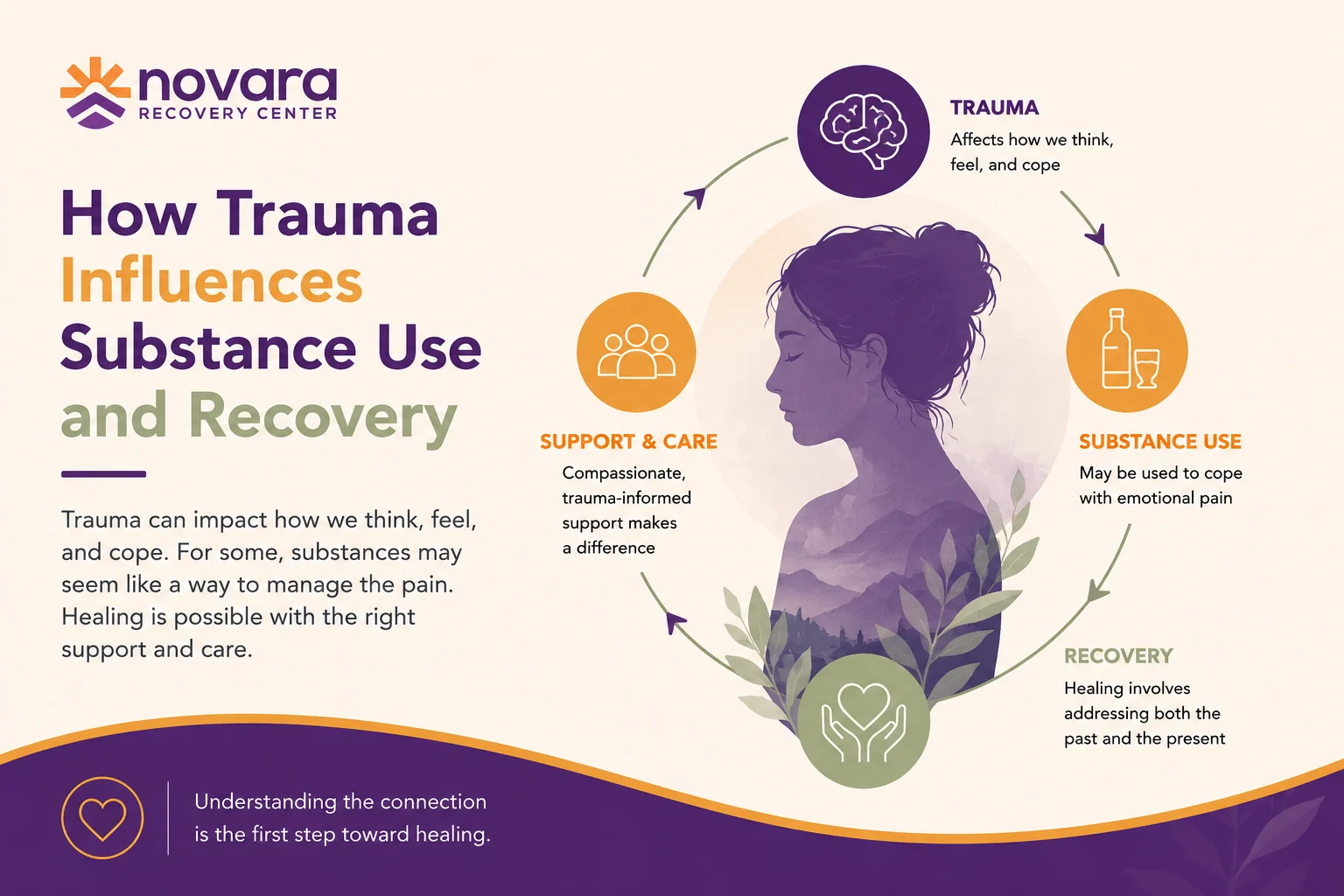
Trauma is a common human experience that can affect emotional well-being, physical health, and the ways people respond to life’s challenges. Traumatic experiences may stem from a single event or develop over time through ongoing stress, loss, or adversity. While trauma does not automatically lead to substance use, it can influence how individuals cope with difficult emotions, stress, and unresolved experiences.
For some people, substances may become a way to temporarily manage emotional discomfort or distress. Understanding how trauma affects behavior often begins with recognizing the broader ways that mental health and addiction treatment work together.
Understanding Trauma and Its Lasting Effects
Different Types of Trauma
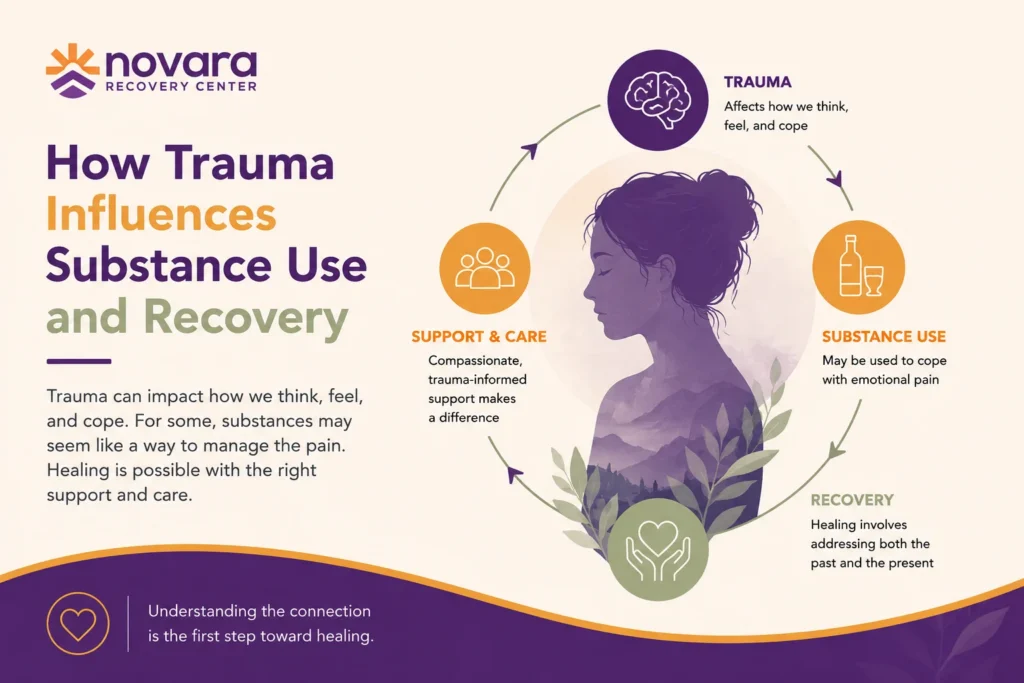
Trauma can take many forms, and individuals may respond to it differently based on their experiences and support systems. Acute trauma typically results from a single distressing event, such as an accident, natural disaster, or sudden loss.
Chronic trauma involves repeated or ongoing exposure to stressful experiences over time. Complex trauma often develops from multiple traumatic events, particularly during key stages of emotional or psychological development.
Responses to trauma can vary widely. While some people recover with few lasting effects, others may experience ongoing emotional, physical, or behavioral challenges. Factors such as resilience, social support, and personal history can influence how trauma affects overall well-being.
How Trauma Affects the Brain and Body
Trauma can activate the body’s stress response system, preparing an individual to react to perceived danger. This response is often described as fight, flight, or freeze and is designed to help people respond to threatening situations. While helpful in the moment, prolonged activation of the stress response may affect emotional regulation, concentration, sleep, and overall health.
According to the American Psychological Association’s overview of trauma, traumatic experiences can have lasting effects on both mental and physical well-being. Over time, trauma may influence how individuals process emotions, respond to stress, and navigate daily life, contributing to challenges such as anxiety, hypervigilance, and emotional distress.
Why Trauma and Substance Use Often Overlap
Seeking Relief From Emotional Pain
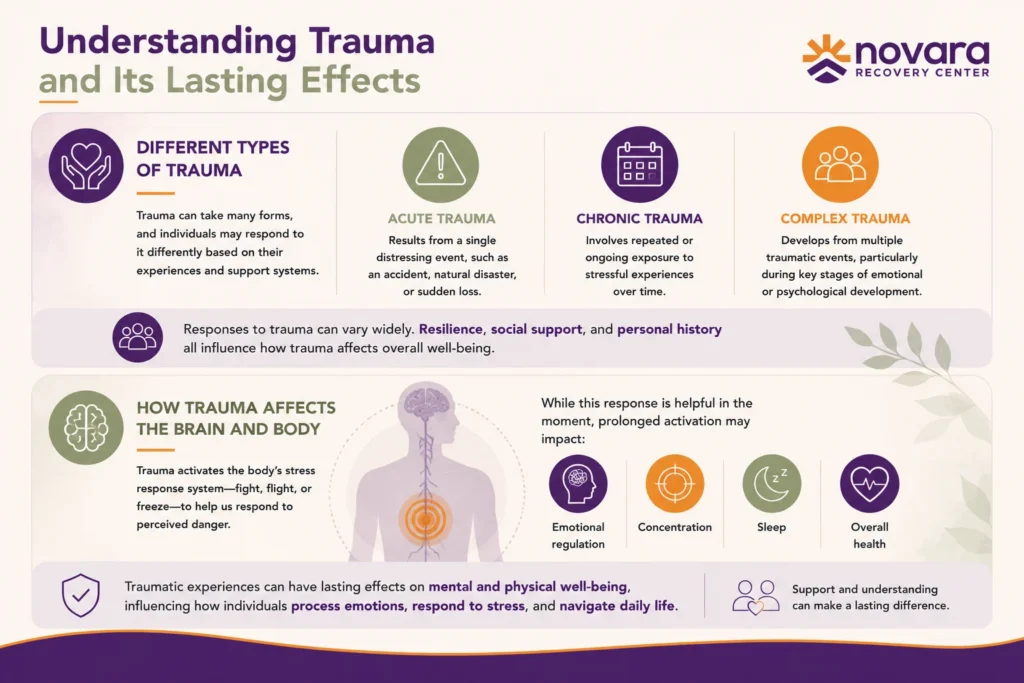
Trauma can leave individuals struggling with emotions such as fear, anxiety, sadness, guilt, or emotional numbness. In some cases, substances may be used as a way to temporarily manage or escape these feelings.
While substance use may provide short-term relief, it does not address the underlying source of emotional distress and can make it more difficult to process traumatic experiences over time.
People naturally seek ways to cope with emotional discomfort. However, when substances become a primary coping mechanism, what begins as an attempt to find relief can gradually develop into a difficult-to-break pattern.
Patterns That Can Develop Over Time
The relationship between trauma and substance use is often influenced by personal experiences, learned behaviors, and environmental factors. Family dynamics, social influences, and past experiences can shape how individuals respond to stress and adversity.
As substance use becomes associated with temporary relief, the brain may begin linking it to reduced emotional distress. This reinforcement cycle can increase the likelihood of repeated substance use during future periods of stress or discomfort.
Over time, these patterns may contribute to a greater reliance on substances and make healthier coping strategies more difficult to maintain.
Trauma’s Influence on the Recovery Process
Healing Beyond Substance Use
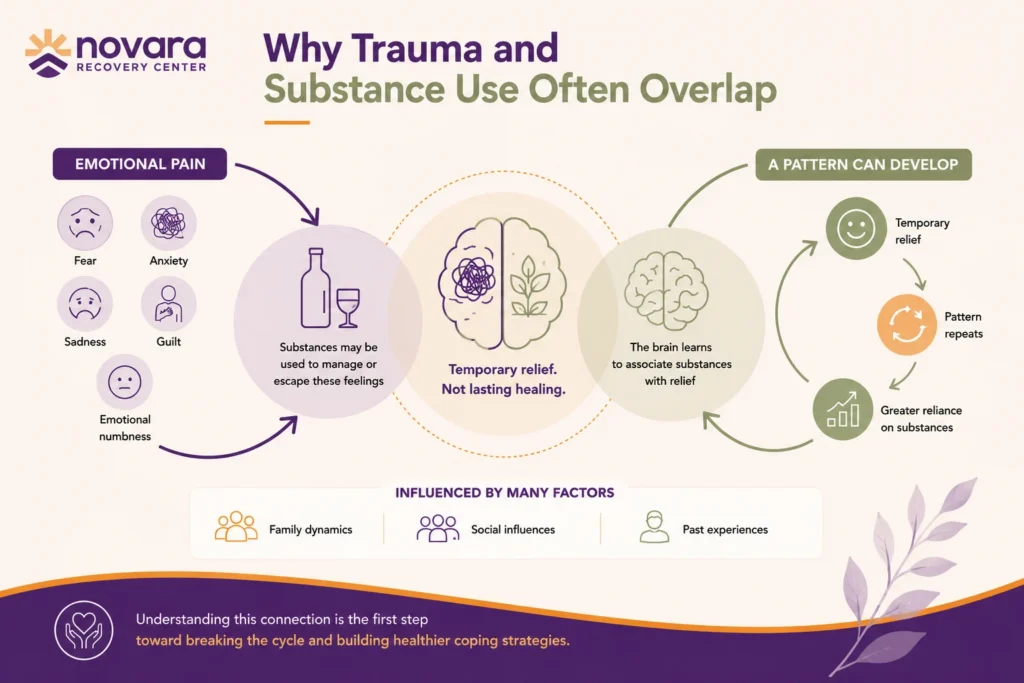
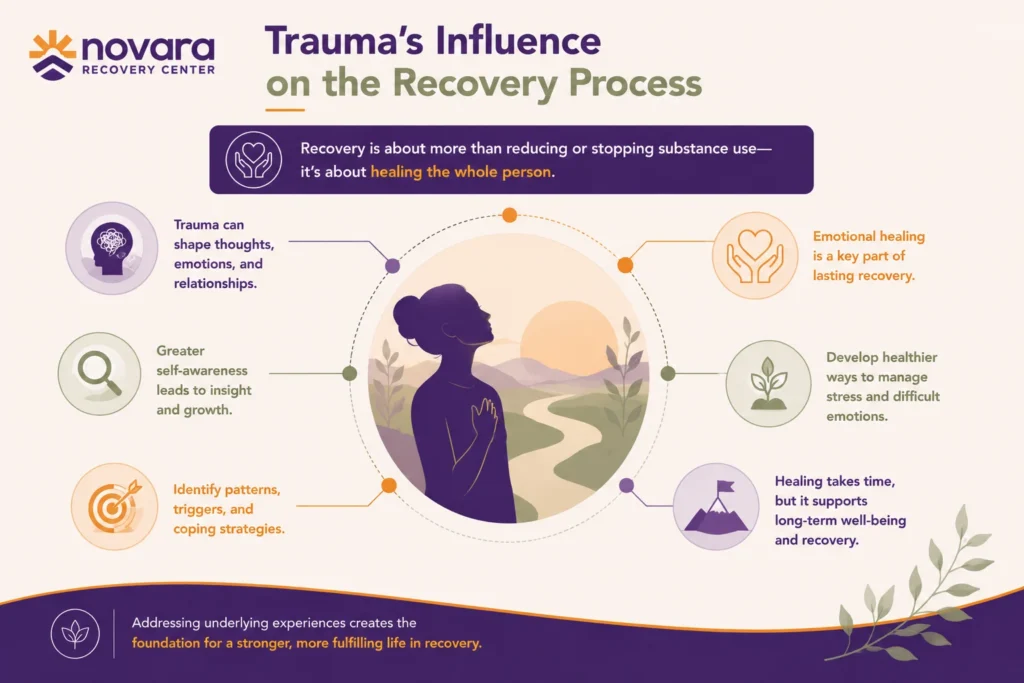
Recovery often involves more than reducing or stopping substance use. For many individuals, it also includes addressing the emotional experiences and challenges that may have contributed to substance use in the first place. Trauma can shape how people view themselves, relate to others, and respond to stress, making emotional healing an important part of the recovery process.
As individuals gain greater self-awareness, they may begin to recognize patterns, triggers, and coping strategies that developed in response to past experiences. This understanding can create opportunities for personal growth and healthier ways of managing difficult emotions. While healing takes time, addressing underlying experiences can help support long-term recovery and overall well-being.
Understanding Trauma-Informed Care
Trauma-informed care is an approach that recognizes the widespread impact trauma can have on individuals and their recovery experiences. Rather than focusing solely on substance use, it considers how past experiences may influence emotional health, behavior, and engagement in treatment. Key principles often include creating a sense of safety, building trust, fostering respect, and providing individualized support.
Because trauma affects people in different ways, recovery approaches are often most effective when they acknowledge each person’s unique experiences and needs. For many individuals, dual-diagnosis treatment can help create an environment that supports both recovery and emotional healing. By understanding the role trauma may play in substance use, providers can better support individuals as they work toward lasting change and personal growth.
Building Healthier Ways to Cope
Developing New Responses to Stress
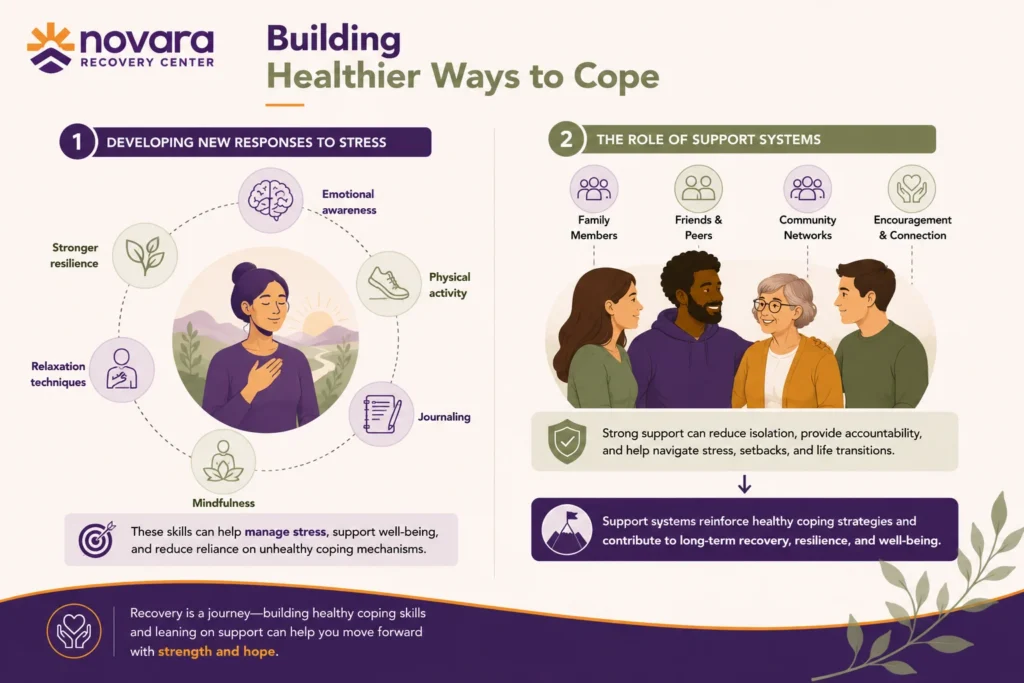
Recovery often involves learning new ways to respond to stress and difficult emotions. Emotional awareness can help individuals better understand how their thoughts, feelings, and experiences influence their reactions to challenging situations. As awareness grows, people may become more equipped to recognize potential triggers and make intentional choices about how they respond.
Developing healthy coping skills can also strengthen resilience and support overall well-being. Practices such as mindfulness, physical activity, journaling, and relaxation techniques may help individuals manage stress in productive ways while reducing reliance on unhealthy coping mechanisms. Learning more about how resilience helps people adapt to adversity can provide additional insight into developing skills that support long-term emotional health and recovery.
The Role of Support Systems
Support systems can play an important role in both recovery and emotional healing. Family members, friends, peers, and community networks often provide encouragement, accountability, and a sense of connection during difficult periods. Having trusted individuals to lean on can help reduce feelings of isolation while providing support when navigating stress, setbacks, or life transitions.
Recovery is often an ongoing process, and support needs may evolve over time. Whether through personal relationships, peer groups, or community resources, strong support systems can reinforce healthy coping strategies and contribute to long-term recovery, resilience, and overall well-being.
Knowing When Additional Support May Help
Recognizing Ongoing Challenges
Healing from trauma and recovery from substance use can be complex processes that look different for everyone. While challenges are a normal part of recovery, some individuals may continue experiencing persistent emotional distress, trauma-related symptoms, recurring cravings, or difficulty managing triggers. These challenges can affect daily life and make it harder to maintain recovery goals.
In some cases, individuals may recognize patterns that are difficult to address on their own despite their best efforts. Seeking professional guidance can help provide a better understanding of these challenges while supporting the development of effective coping strategies and long-term recovery skills.
Recovery does not require facing every obstacle alone. For individuals experiencing ongoing difficulties, learning about available recovery support options may provide insight into resources and services that can support continued progress and overall well-being.