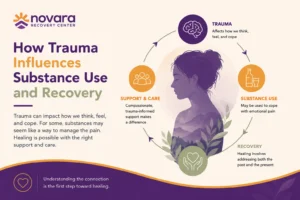


Substance Use Disorder (SUD) is a chronic medical condition defined in the DSM-5-TR as a pattern of impaired control over substance use, continued use despite harmful consequences, and neurobiological changes affecting the brain’s reward and stress systems. For women, the development and progression of SUD often involves distinct biological, psychological, and social factors that warrant careful clinical consideration.
Women’s addiction treatment in Virginia increasingly incorporates gender-responsive and trauma-informed frameworks. While many licensed treatment centers provide care for both men and women, research indicates that women frequently present with different pathways to addiction, higher rates of trauma exposure, and increased prevalence of co-occurring psychiatric conditions.
According to SAMHSA Women’s Substance Use, women with substance use disorders are significantly more likely to experience co-occurring conditions such as depression, anxiety disorders, post-traumatic stress disorder (PTSD), and eating disorders. Effective treatment models, therefore, integrate mental health stabilization alongside substance use treatment rather than addressing these conditions sequentially.
Inpatient rehab programs in Virginia may include structured medical oversight, psychiatric evaluation, individual and group therapy, and case management services designed to support both physical stabilization and emotional recovery.
Common Barriers Women Face When Seeking Treatment
Women across Virginia often encounter structural and social barriers that delay treatment access. These barriers are frequently rooted in caregiving responsibilities, safety concerns, and societal stigma rather than a lack of motivation for recovery.
Caregiving and Custody Concerns
Many women serve as primary caregivers for children or aging family members. Fear of family disruption or potential custody consequences may prevent early intervention.
Stigma and Social Expectations
Substance use disorder continues to carry disproportionate stigma for women. Mothers and professionals may fear community judgment, workplace consequences, or reputational harm.
Intimate Partner Violence and Safety Risks
Research indicates that women with substance use disorders experience higher rates of intimate partner violence. Safety considerations may influence preferences for treatment environments and therapeutic settings.
Financial and Logistical Barriers
Limited transportation access, financial dependence, or lack of paid leave may restrict entry into residential programs.
Recognizing these systemic challenges allows treatment providers across the Commonwealth to design more accessible, trauma-informed, and supportive care models.
Clinical Components of Women-Focused Addiction Treatment
Across Virginia, evidence-based women-focused programming often incorporates specialized clinical components tailored to common presentation patterns in female populations. Programs such as Novara Recovery’s addiction treatment approach emphasize integrated dual diagnosis care, trauma-informed therapy, and individualized stabilization planning.
Integrated Dual Diagnosis Care
Comprehensive programs address substance use and co-occurring psychiatric disorders simultaneously. Licensed clinicians trained in both behavioral health and addiction medicine may provide coordinated treatment planning.
Trauma-Informed Therapy
Approaches such as Cognitive Behavioral Therapy (CBT), Dialectical Behavior Therapy (DBT), and Eye Movement Desensitization and Reprocessing (EMDR) are frequently used to address trauma histories that may underlie substance use behaviors.
Psychiatric Evaluation and Medication Management
When clinically indicated, medication-assisted treatment (MAT) or psychotropic medications may support stabilization, particularly for opioid use disorder, mood disorders, or severe anxiety conditions.
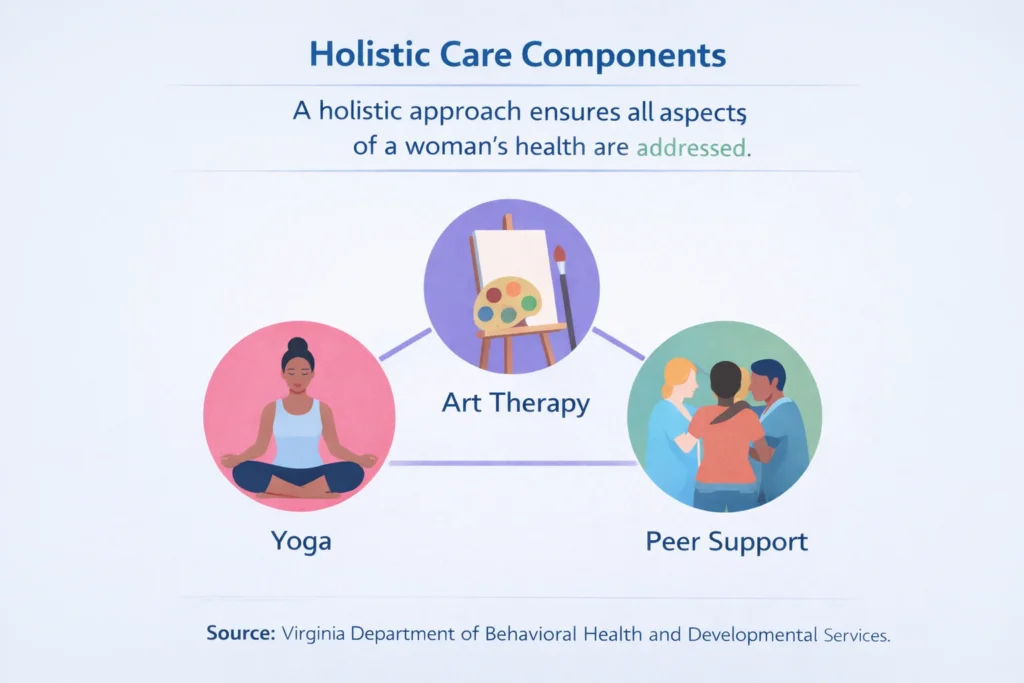
Peer-Based Therapeutic Support
Structured group therapy can reduce isolation and promote accountability. Some individuals report feeling more comfortable discussing trauma-related issues in gender-specific or gender-sensitive group settings.
Holistic and Nervous System Regulation Approaches
Yoga, mindfulness-based stress reduction, somatic therapies, and expressive arts interventions may support emotional regulation and stress management during early recovery.
Research consistently demonstrates that integrated, individualized care improves long-term outcomes for women with substance use disorders.
Biological Considerations in Women’s Addiction Treatment
Biological sex differences influence how addiction develops and progresses. Understanding these differences is important when evaluating treatment planning, detoxification protocols, and long-term recovery strategies.
Telescoping Effect
Clinical research has documented the “telescoping effect,” in which women progress from initial substance use to physiological dependence more rapidly than men. This accelerated progression can result in earlier onset of medical, psychological, and social consequences, often requiring timely clinical intervention.
Hormonal Influences
Fluctuations in estrogen and progesterone can influence dopamine activity within the brain’s reward system. These hormonal shifts may impact craving intensity, mood stability, and withdrawal severity during certain phases of the menstrual cycle, pregnancy, postpartum periods, or menopause. Hormonal variability may also influence how women experience stress and emotional regulation during early recovery.
Metabolic Differences
Women may metabolize alcohol and certain substances differently than men, potentially increasing susceptibility to medical complications at lower consumption levels. Differences in body composition and enzyme activity can also affect intoxication levels and withdrawal experiences.
These physiological factors may influence withdrawal management, medication response, and psychiatric symptom presentation during treatment. Accounting for these variables reflects important clinical considerations in women’s addiction treatment and supports individualized stabilization and recovery planning.
Trauma and Co-Occurring Mental Health Conditions
Addiction in women frequently intersects with unresolved trauma. Studies show elevated rates of PTSD among women entering substance use treatment compared to male populations.
Trauma-integrated treatment models emphasize:
- Emotional safety within therapeutic settings
- Gradual trauma processing rather than forced disclosure
- Skills-based coping development
- Stabilization prior to intensive trauma work
Evidence-based modalities such as CBT and DBT help patients develop distress tolerance, cognitive restructuring skills, and healthier behavioral responses. Screening for disordered eating and body image concerns is also clinically appropriate, as these conditions may co-occur with substance use disorders.
Treating underlying trauma and mental health conditions concurrently reduces relapse risk and improves functional outcomes.
The Importance of Localized Addiction Treatment in Virginia
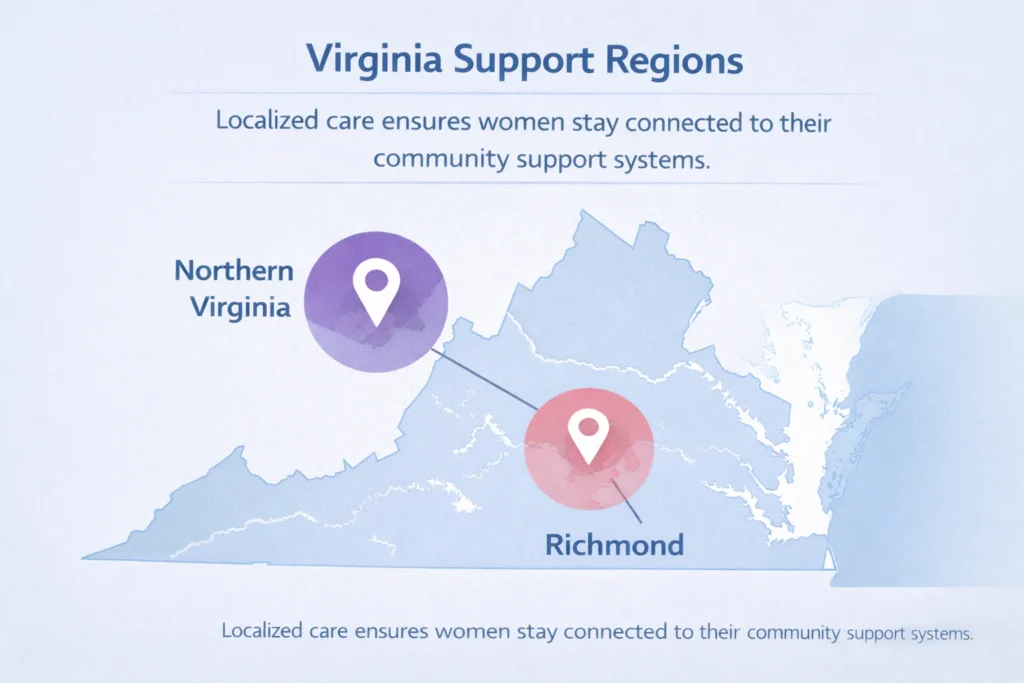
Data from the Virginia Department of Behavioral Health and Developmental Services (DBHDS) indicate ongoing substance-related challenges across Northern Virginia, Richmond, and surrounding regions. Access to localized care can improve continuity and engagement during treatment.
Community integration supports recovery by:
- Facilitating family therapy when appropriate
- Coordinating outpatient and step-down services
- Connecting individuals to regional peer-support networks
- Linking patients to community-based mental health resources
Continuity of care and structured discharge planning significantly reduce dropout rates during early recovery transitions.
Aftercare and Reintegration
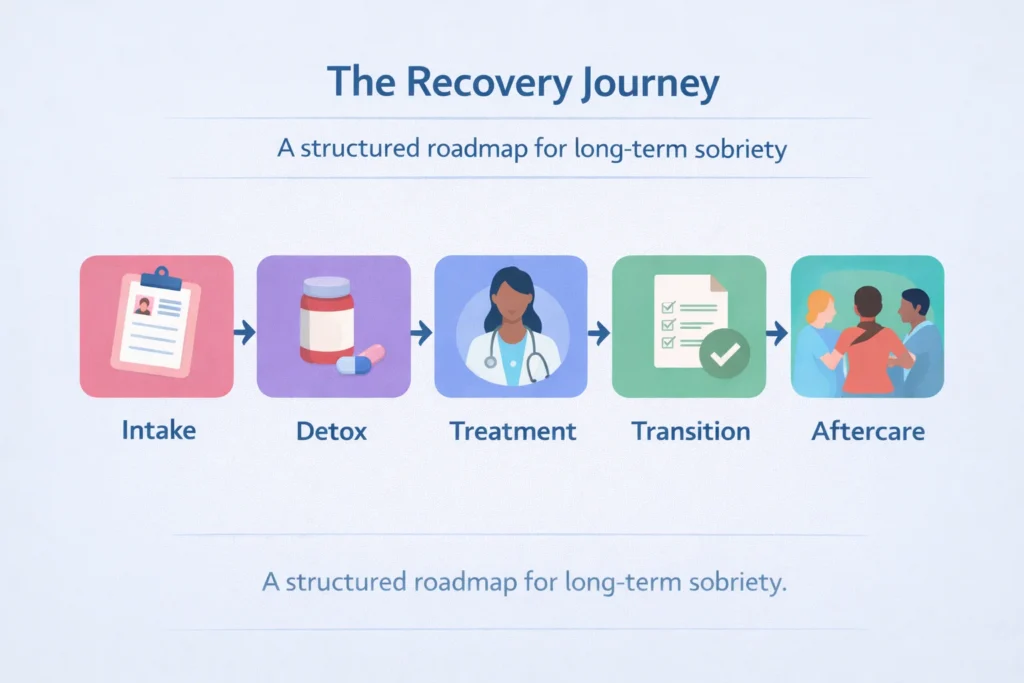
Research consistently shows that relapse vulnerability is highest within the first 90 days following residential treatment discharge. Structured aftercare planning is therefore critical.
Post-residential support may include:
- Partial Hospitalization Programs (PHP)
- Intensive Outpatient Programs (IOP)
- Alumni support groups
- Ongoing psychiatric care
- Career re-entry planning
- Family therapy coordination
Recovery is a long-term process requiring sustained clinical and community support beyond the initial stabilization phase.

Exploring Treatment Options in Virginia
Women seeking addiction treatment in Virginia may benefit from asking providers about:
- Experience treating co-occurring mental health disorders
- Trauma-informed clinical frameworks
- Availability of gender-sensitive or women-focused group therapy options
- Medical detox capabilities
- Psychiatric oversight and medication management
- Aftercare coordination planning
Clarifying these factors with an experienced Admissions Team can help ensure the selected program aligns with individual clinical needs, safety considerations, and long-term recovery goals.