

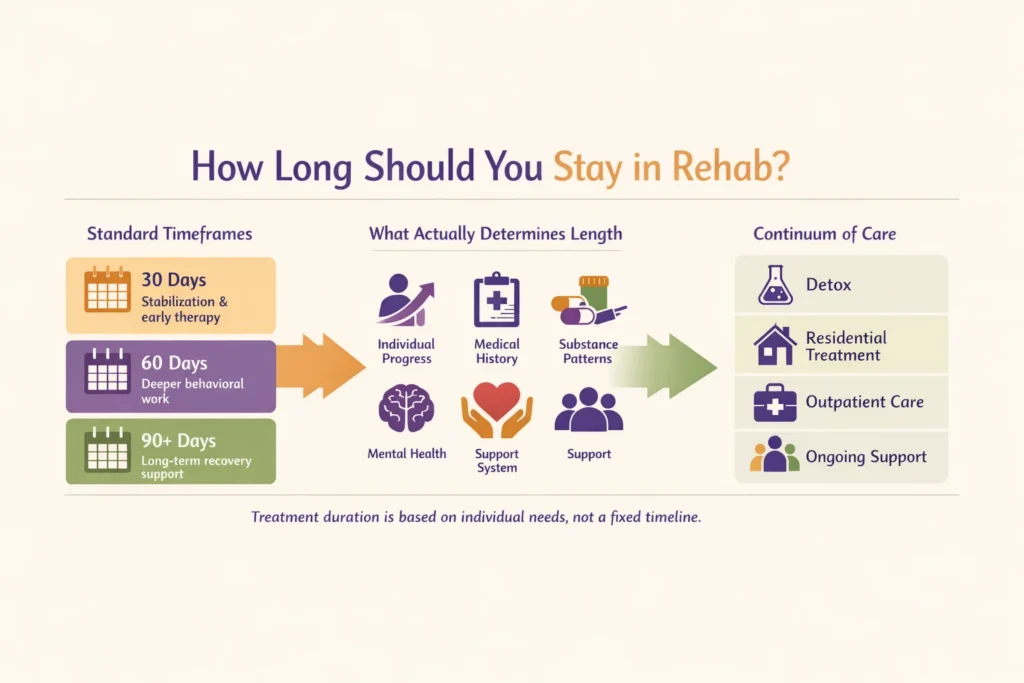
The amount of time a person spends in rehab can vary widely depending on their individual needs, medical considerations, and treatment goals. While it is common to hear about standard program lengths such as 30, 60, or 90 days, these timeframes are not universally applicable. Instead, the duration of care is typically guided by a professional evaluation and adjusted based on a person’s progress throughout treatment, often within established continuity of care standards that help inform how individuals move through different levels of support.
Rehab is not a single event but part of a broader recovery process that may involve multiple stages of care. Understanding the distinction between different phases, including the difference between detox and rehab, can provide helpful context when evaluating how long treatment may last.
Understanding how rehab duration is determined can help individuals and families make more informed decisions about care.
Why Rehab Duration Is Different for Everyone
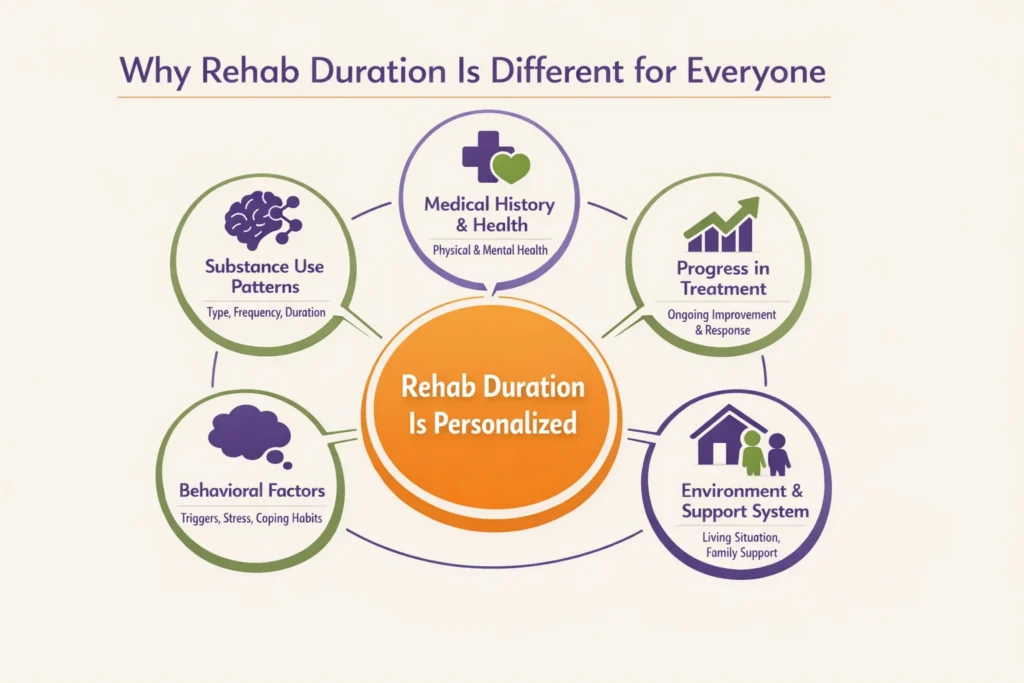
Rehab timelines are not determined by a fixed schedule and can vary significantly from person to person. While general program lengths are often referenced, they serve as flexible frameworks rather than exact timelines. Treatment providers assess a range of factors to determine the appropriate duration and level of care.
Substance use patterns play a significant role in this process. The type of substance used, frequency, and duration of use can all influence how the body and brain respond during treatment. In addition, a person’s medical history and overall health may affect how long stabilization and ongoing care are needed.
Behavioral and environmental factors are also considered. This can include exposure to triggers, stress levels, living conditions, and the presence or absence of a reliable support system. These elements may impact both the pace of progress and the level of structure required during recovery.
As treatment progresses, recommendations are often adjusted based on ongoing assessments and observable progress. This allows care to remain responsive, ensuring that individuals receive the appropriate level of support at each stage of recovery.
Typical Rehab Timelines and What They Mean
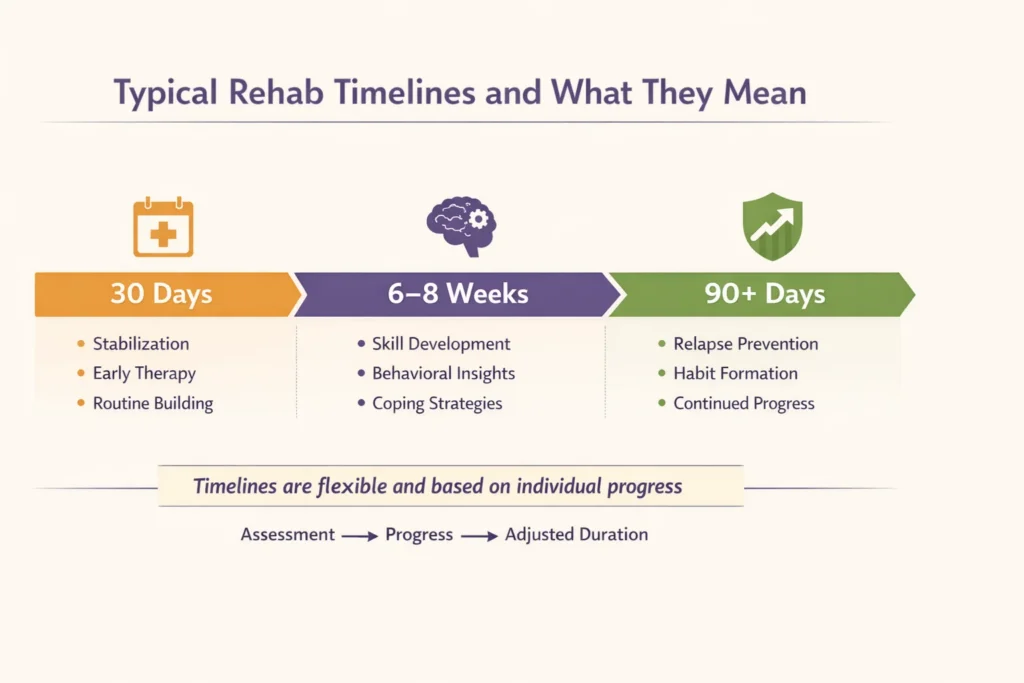
Rehab timelines are often described in general ranges, but these timeframes are better understood as flexible structures rather than fixed endpoints. The appropriate length of stay depends on how an individual responds to care, not just how much time has passed.
Shorter stays, often around 30 days, are commonly focused on initial stabilization, which may include detox before transitioning into ongoing treatment (learn more about the difference between detox and rehab). For some individuals, this period provides a foundation, but additional support is often recommended afterward.
Mid-length care, typically lasting six to eight weeks, allows for more consistent engagement in therapy and skill development. During this time, individuals may begin to explore underlying behavioral patterns, build coping strategies, and gain a clearer understanding of triggers and risk factors.
Longer stays, such as 90 days or more, are generally associated with a more comprehensive approach to recovery. This extended timeframe can support habit formation, relapse prevention planning, and continued progress in a structured setting.
Rather than viewing these timelines as strict recommendations, they are more accurately seen as general benchmarks. The most appropriate duration is usually determined by individual progress, ongoing assessment, and the level of support needed at each stage of recovery.
How Level of Care Affects Length of Stay
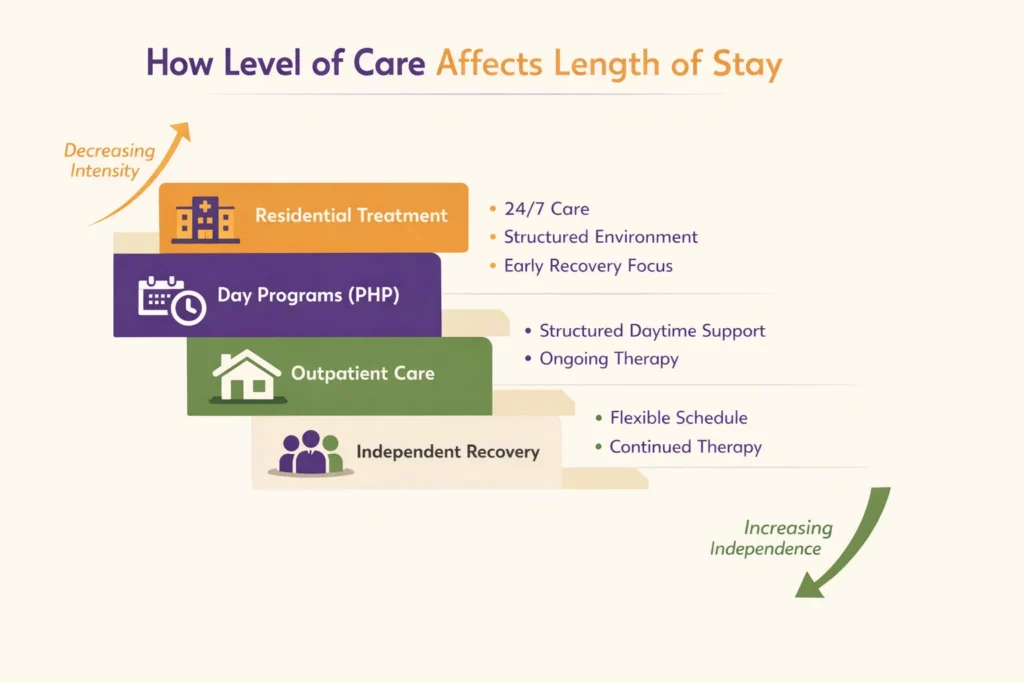
The level of care a person receives can significantly affect how long they remain in rehab and how treatment is structured over time. More intensive settings, such as residential treatment, provide a highly supportive environment, often shaped by established care frameworks that help guide individuals smoothly between different levels of treatment. This level of support is often beneficial during the early stages of recovery, particularly when stabilization and focused therapeutic work are priorities.
Outpatient options offer a different approach. These programs allow individuals to participate in treatment while continuing to live at home, making them a more flexible option for those who have already established some stability. In many cases, individuals transition into an intensive outpatient program after completing a higher level of support, allowing them to continue therapy while gradually resuming daily responsibilities.
This step-down approach reflects a gradual shift in independence. As individuals make progress, the intensity of care may decrease while still maintaining accountability and support. The overall length of time in rehab is often influenced by how someone moves through these different levels, rather than time spent in a single setting alone.
Can Rehab Be Shortened Safely?
In some situations, individuals may consider leaving rehab earlier than initially planned. While this is sometimes possible, decisions about shortening a stay are typically best made in consultation with treatment providers who can evaluate progress and overall stability.
Ending care too soon may limit the time available to fully address underlying patterns of substance use or develop effective coping strategies. It may also reduce the level of support during a critical stage of recovery, particularly if a transition plan is not yet in place.
That said, adjustments to the length of stay are not uncommon. As individuals make progress, providers may recommend transitioning to a different level of support rather than continuing in the same setting. Maintaining continuity of care, whether through step-down programs or ongoing therapy, is often a key factor in supporting long-term stability.
What Happens After Rehab Ends?
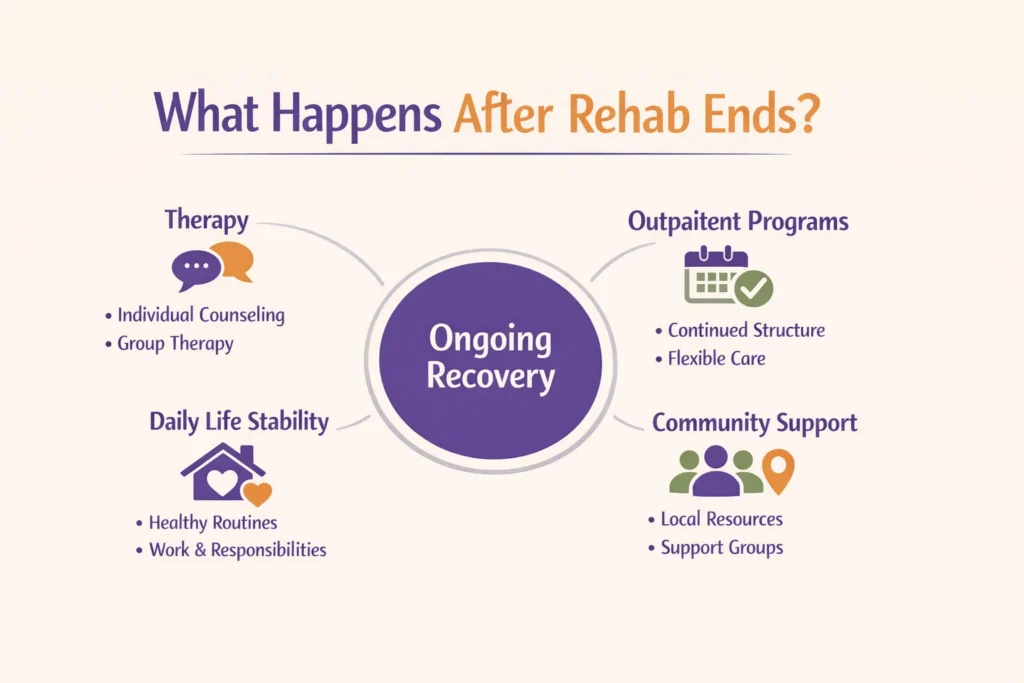
Completing a rehab program is an important milestone, but it is not the end of the recovery process. Ongoing support is often recommended to help individuals maintain stability and continue building on the progress made during treatment.
Many individuals continue with therapy after leaving a structured setting. This may include individual counseling, group therapy, or participation in outpatient programs that provide continued guidance while allowing for greater independence. These forms of support can help reinforce coping strategies, address ongoing challenges, and reduce the risk of relapse over time.
Community-based resources can also play a meaningful role, particularly for individuals in Northern Virginia. Local services, such as the Fairfax County Community Services Board, offer access to support programs, counseling, and recovery-focused services.
By maintaining engagement in care and support networks, individuals are often better positioned to sustain progress and navigate the transition into daily life.
Finding the Right Rehab Approach in Northern Virginia
Choosing an appropriate rehab approach involves understanding the range of options available and how they align with individual needs. In Northern Virginia, individuals have access to multiple levels of care, including residential treatment, partial hospitalization, and outpatient programs. Each option offers a different level of structure and support, depending on where someone is in the recovery process.
Working with licensed providers is an important part of this decision. Qualified professionals conduct thorough evaluations and develop care plans that reflect both medical needs and personal circumstances. Many programs also follow established, evidence-based practices designed to support safe and effective treatment.
For individuals exploring care options, reviewing the treatment programs available at Novara Recovery Center can provide additional context on how services are structured across different levels of support. Some individuals may benefit from more integrated approaches, such as co-occurring disorder treatment programs, where both areas are addressed within a coordinated care plan.
How Long Should You Stay in Rehab? Final Considerations
The length of time spent in rehab can vary based on individual needs, progress, and the level of support required throughout the recovery process. Rather than following a fixed timeline, most treatment plans are adjusted as care progresses, helping ensure that each stage of recovery is appropriately supported.
For many individuals, rehab is one part of a broader continuum that includes ongoing therapy, outpatient care, and community support. Taking the time to engage fully in each phase can help strengthen long-term stability and reduce the risk of relapse.
Understanding how rehab duration is determined can provide a clearer path forward when evaluating treatment options and making informed decisions about care.